
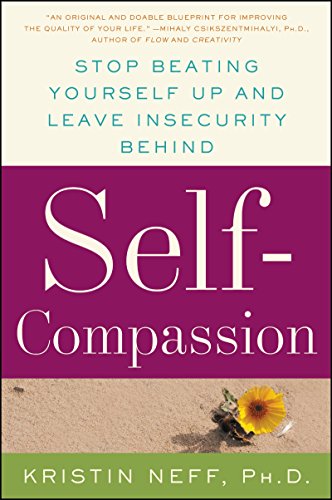
An introduction to self-compassion as a practice, not just a kind idea. Neff explains how treating ourselves with kindness, common humanity, and mindfulness can reduce shame and perfectionism and create more emotional stability. Useful if you are hard on yourself, feel stuck in self criticism, or struggle to receive your own efforts with any sense of kindness.
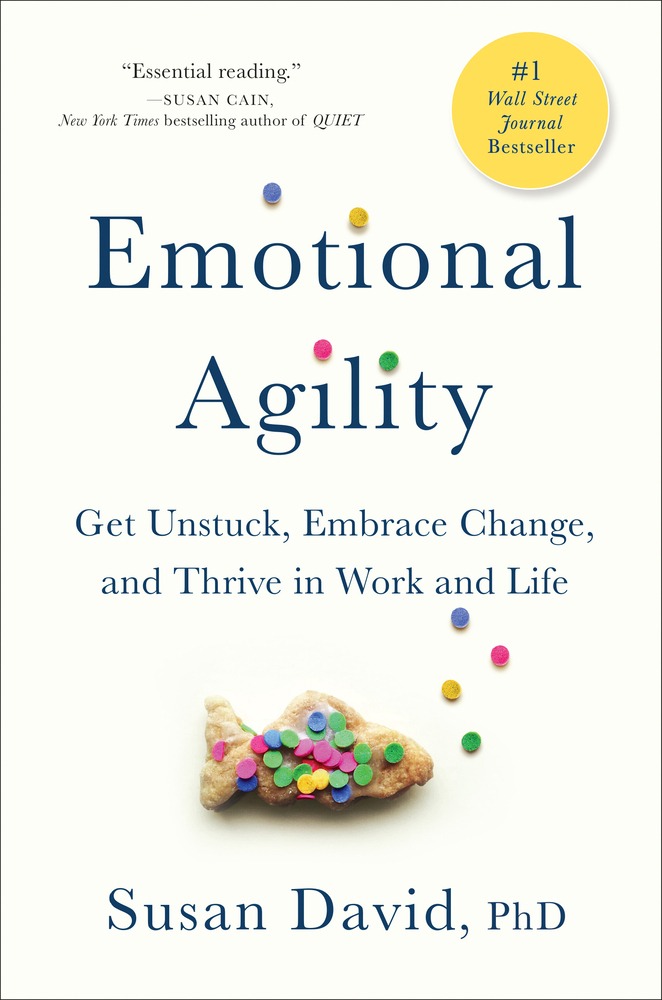
This book explores how to notice, name, and work with our feelings instead of pushing them away or letting them run the show. David offers simple practices to help you stay grounded in your values while navigating change and uncertainty.
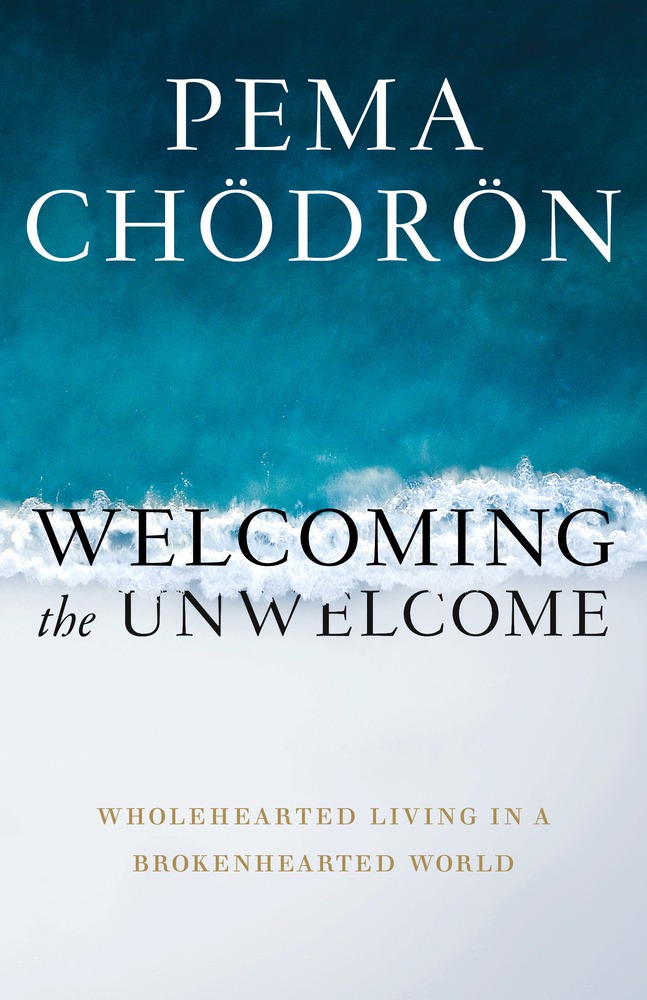
Pema provides step-by-step guides to a basic sitting meditation and a compassion meditation that anyone can use to bring light to the darkness we face, wherever and whatever it may be.
This book is written for people who are curious about meditation but suspicious, restless, or convinced they “cannot sit still.” The tone is funny and practical, and the core message is that small, realistic practices can have a real impact on stress, focus, and emotional resilience.
Short, accessible chapters on mindfulness in everyday life, written in plain language. Great for people who feel intimidated by traditional or philosophical framing and want a practical entry point. A foundational guide to mindfulness and meditation, introducing readers to the practice and guiding them through the process.
Gentle, practical teachings on bringing awareness into ordinary life, like washing dishes or walking. It blends simple exercises with short stories, and is a great “first” mindfulness book for people who feel intimidated by meditation.
A structured 28-day introduction to meditation. Each week focuses on a different theme, with very practical instructions and troubleshooting. Excellent for people who want a “program” they can follow.
Nestor explores how something as simple as the way we breathe shapes our health, mood, and performance. This is a practical, story driven guide to using breath as a tool for nervous system regulation and overall wellbeing.
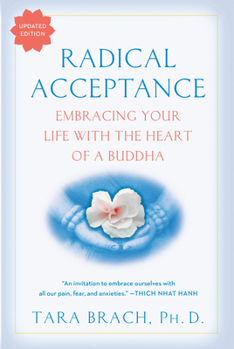
Blends mindfulness with compassion-based practice. Explores shame, self-criticism, and the feeling of “never enough,” with meditations and reflection exercises woven throughout. Good for coaching clients who struggle with inner critic patterns.
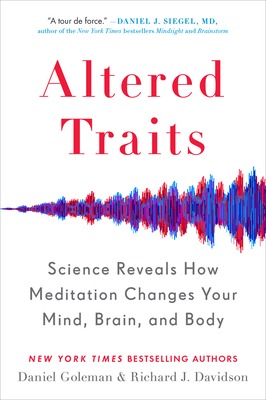
In the last twenty years, meditation and mindfulness have gone from being kind of cool to becoming an omnipresent Band-Aid for fixing everything from your weight to your relationship to your achievement level. Unveiling here the kind of cutting-edge research that has made them giants in their fields, Daniel Goleman and Richard Davidson show us the truth about what meditation can really do for us, as well as exactly how to get the most out of it.
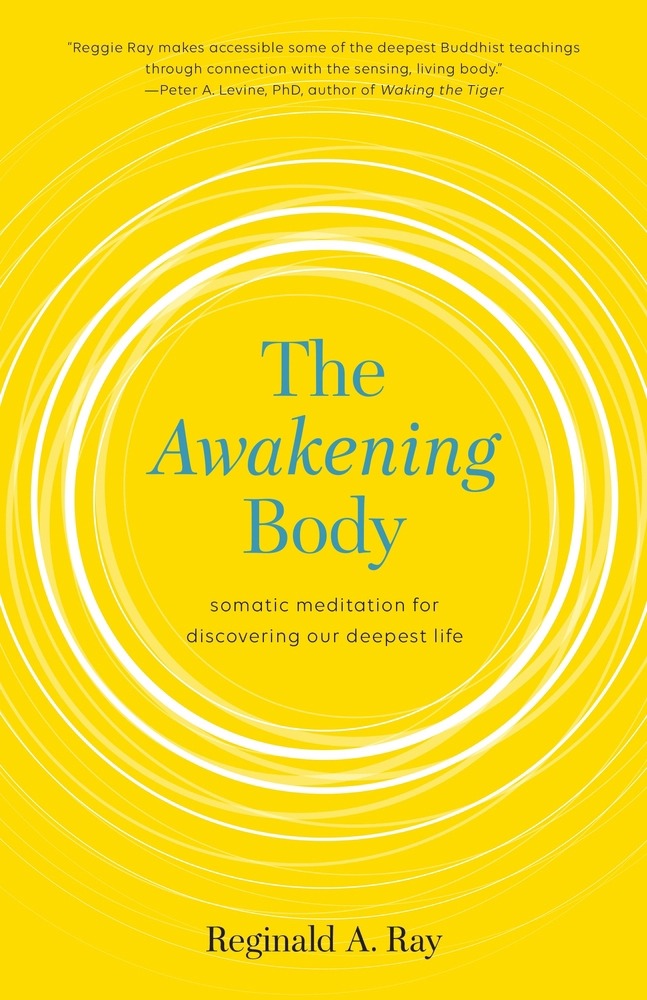
Reggie Ray introduces somatic meditation, a body-based approach that invites you to experience awareness from the inside out rather than “trying to calm the mind” from the neck up. The book combines short teachings with guided practices that focus on posture, breath, and bodily sensation. It is especially helpful if you tend to live in your head or feel disconnected from your physical experience and want meditation that feels grounded, concrete, and deeply embodied.
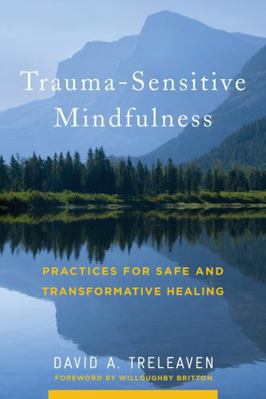
Explains how standard mindfulness practices can be activating for trauma survivors and offers adaptations. This is a good inclusion to underline that not all practices fit all nervous systems and that safety comes first.
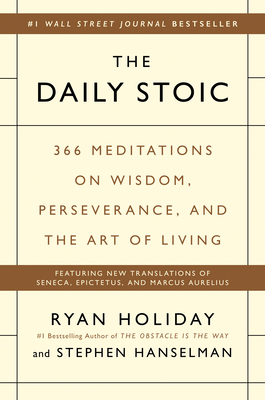
The book invites readers to slow down, reflect, and apply timeless Stoic principles such as focus on what you can control, accept what you cannot, and act with courage and integrity. It works well as a daily grounding ritual, helping build emotional resilience, perspective, and a steadier response to stress and change.
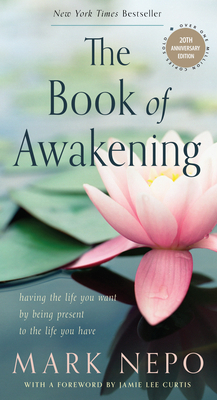
Structured as daily readings, this book blends poetry, reflection, and gentle guidance on living with an open heart. Nepo writes about pain, joy, loss, and renewal in a way that feels honest and hopeful. Ideal if you want a daily companion for a season of change or recovery.
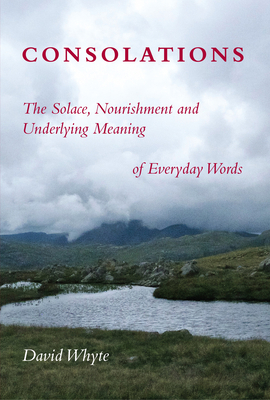
Whyte takes everyday words like “Work,” “Friendship,” and “Heartbreak” and expands them into poetic meditations. The book invites you to reconsider your relationship with ordinary experiences and emotions. Beautiful for slow reading, reflection, or journaling prompts.
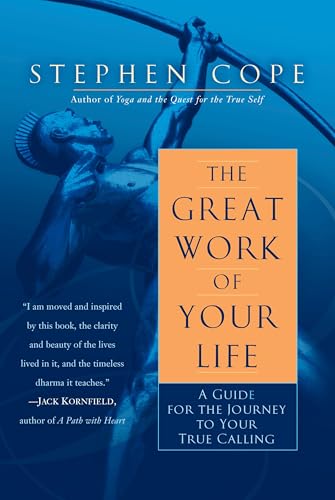
Cope uses the Bhagavad Gita as a framework to explore what it means to live your dharma, your unique life’s work. Through stories of everyday people and well known figures, he shows how listening to your inner call can be messy, imperfect, and deeply human. Helpful if you are questioning your career path or sense of purpose.

Tarrant looks at Zen practice through the lens of depth psychology and everyday life. He writes about success and failure, shadow and light, and how we grow through difficulty rather than around it. A rich read if you are integrating spiritual practice with work, relationships, and identity.

Watts explores why our attempts to feel safe and in control often create more anxiety. He invites readers into a different relationship with uncertainty, presence, and change. A good companion if you are navigating transition and struggling with “not knowing what comes next.”
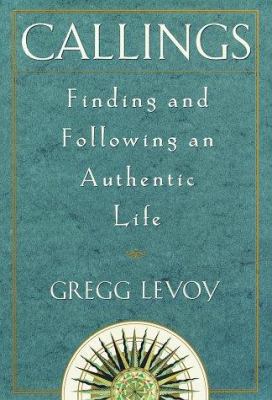
A thoughtful exploration of how “callings” show up in everyday life through hunches, longings, and life changes. Levoy looks at the fears and resistances that keep us from following what feels authentic and offers stories and guidance for listening to what wants to change in your work, relationships, and inner life.
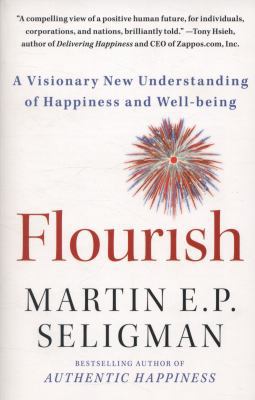
Drawing on research, case examples, and practical exercises, Seligman shows how people, organizations, and communities can build strengths rather than just reduce problems. It is a helpful book for anyone who wants a more evidence based approach to fulfillment, resilience, and everyday flourishing.

Chödrön writes about meeting fear, grief, and uncertainty with curiosity instead of self judgement. Drawing from Buddhist teachings, she offers simple practices for staying present in hard times. Helpful if you are in a season where life feels like it is breaking apart or rearranging itself.
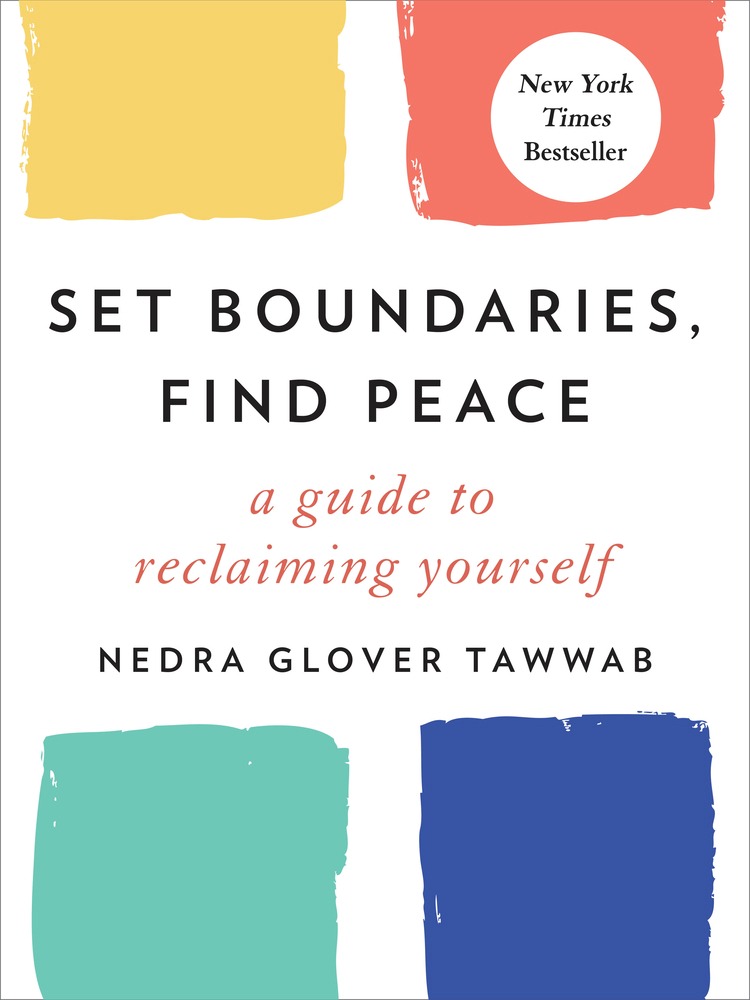
Tawwab offers a clear, grounded guide to setting and maintaining boundaries at work and in life. Through examples and simple scripts, she shows how unclear expectations fuel resentment and burnout, and how small, consistent boundary practices can support healthier relationships and more sustainable work lives.
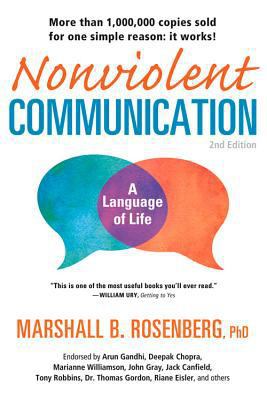
Rosenberg offers a clear framework for communicating needs without blame, criticism, or defensiveness. The book breaks conversation into observations, feelings, needs, and requests, and includes many real world examples from families, workplaces, and communities. It is a strong resource if you want to de escalate conflict, stay grounded in tense moments, and practice more compassionate honesty. 
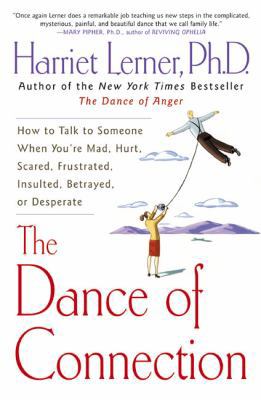
A companion to The Dance of Anger, this book zooms in on how to speak up when the stakes feel high. Lerner offers examples and scripts that show how to be both clear and compassionate without abandoning yourself.
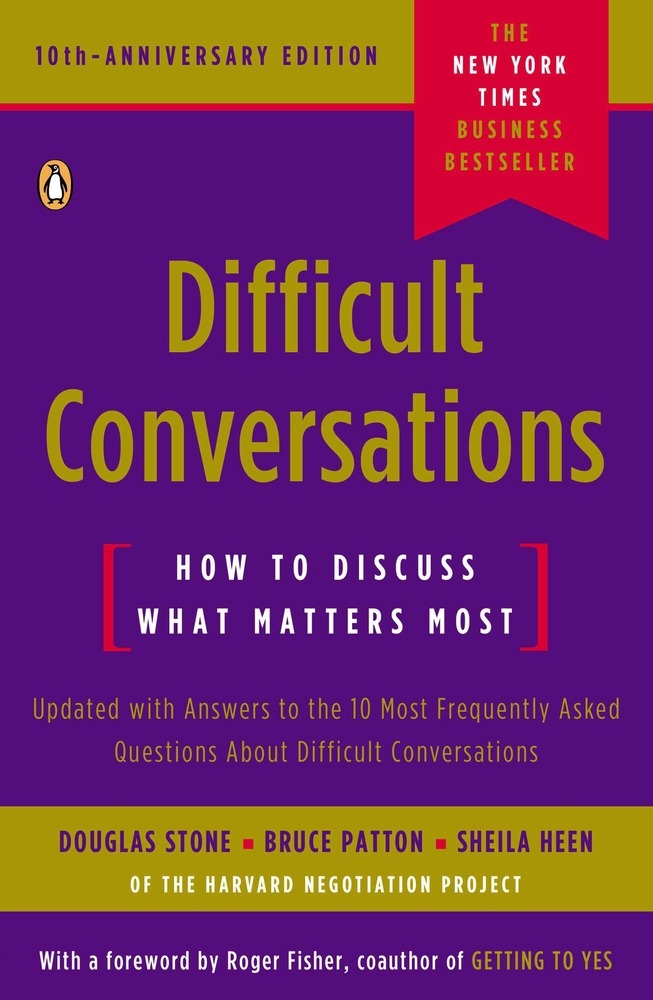
Written by members of the Harvard Negotiation Project, this book breaks down why hard conversations feel so threatening and how to approach them with more clarity and curiosity. It explores the stories we tell ourselves, the role of identity, and how to listen in ways that reduce defensiveness. It is a strong companion for boundary setting at work, with family, and in close relationships.
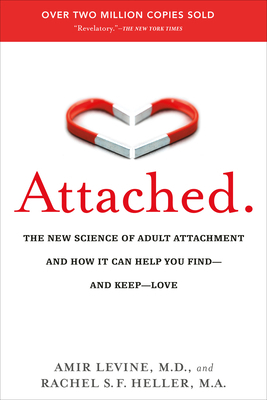
Attached introduces the idea of attachment styles in adult relationships and explores how patterns like anxious, avoidant, and secure attachment show up in dating and long term partnerships. The authors describe common dynamics between different styles and offer practical guidance for changing the way you relate, choose partners, and communicate needs. This can be especially helpful if you notice recurring themes across multiple relationships.
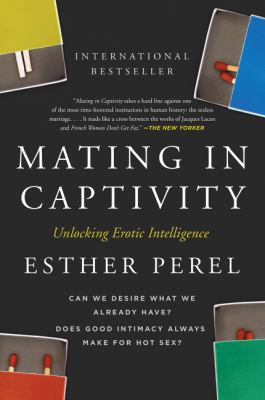
Drawing on more than twenty years of experience as a couples therapist, Perel examines the complexities of sustaining desire. Through case studies and lively discussion, Perel demonstrates how more exciting, playful, and even poetic sex is possible in long-term relationships. Wise, witty, and as revelatory as it is straightforward, Mating in Captivity is a sensational book that will transform the way you live and love.
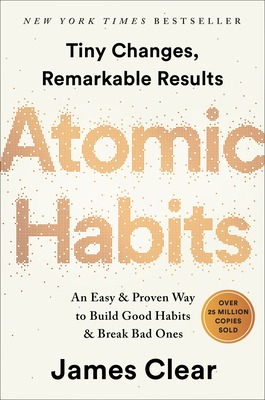
Clear breaks behavior change down into small, repeatable actions that compound over time. The book explains how habits are formed, how to design your environment so good choices are easier, and how to shift your identity from “trying to change” to “being the kind of person who does this.”
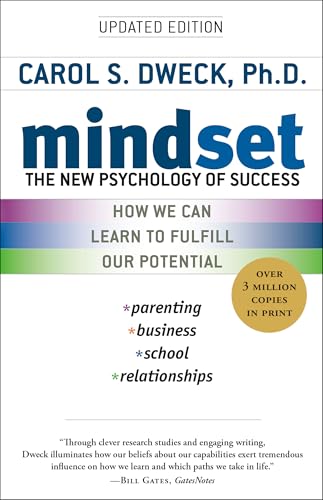
Dweck contrasts a fixed mindset, where abilities are seen as set, with a growth mindset, where skills can be developed through effort, feedback, and learning. She applies this to work, relationships, parenting, and education, offering language and practices that help you relate to challenges and failure in a more flexible way
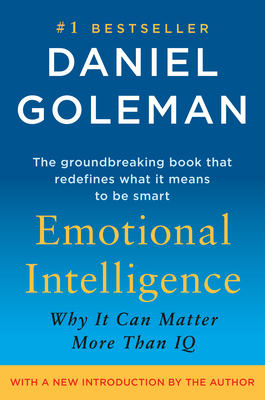
Goleman popularized the idea that skills like self awareness, empathy, and relationship management matter as much as traditional intelligence. The book outlines the components of emotional intelligence and how they show up at work, in leadership, and in everyday interactions. 
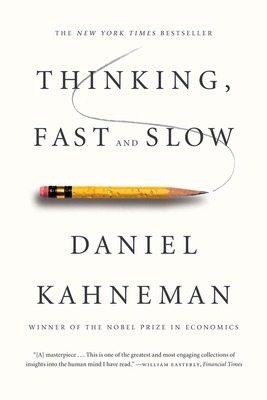
Through research-backed examples and accessible stories, Kahneman helps readers understand why they make certain choices, where judgment can go off track, and how to pause and think more clearly when decisions really matter. It is a foundational book for anyone interested in decision-making, behavioral economics, or understanding their own mind a bit better.
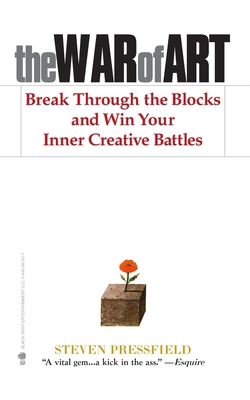
Through short, punchy chapters, Pressfield explores how to recognize resistance, why it shows up when we’re on the edge of something important, and how to move from amateur habits to a “professional” mindset. It is a practical, no-nonsense companion for writers, entrepreneurs, artists, and anyone who keeps getting in their own way.
The book offers concrete strategies for moving from one stage to the next, including how to build motivation, handle relapse, and design sustainable habits rather than relying on quick fixes or willpower alone. Grounded in psychology but written for everyday readers, it helps people understand why change feels so hard, normalize the stop-and-start nature of growth, and create a realistic, compassionate plan for changing long-standing patterns in health, work, and life.
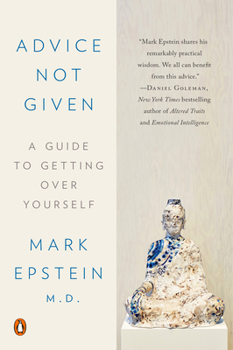
Our ego, and its accompanying sense of nagging self-doubt as we work to be bigger, better, smarter, and more in control, is one affliction we all share. But while our ego is at once our biggest obstacle, it can also be our greatest hope. We can be at its mercy or we can learn to work with it. With great insight, and in a deeply personal style, renowned psychiatrist and author Dr. Mark Epstein offers a how-to guide that refuses a quick fix.
Brown looks at vulnerability, courage, and shame, and how they show up at work, at home, and in relationships. The book helps readers see how perfectionism and fear of judgment can block real connection and growth.
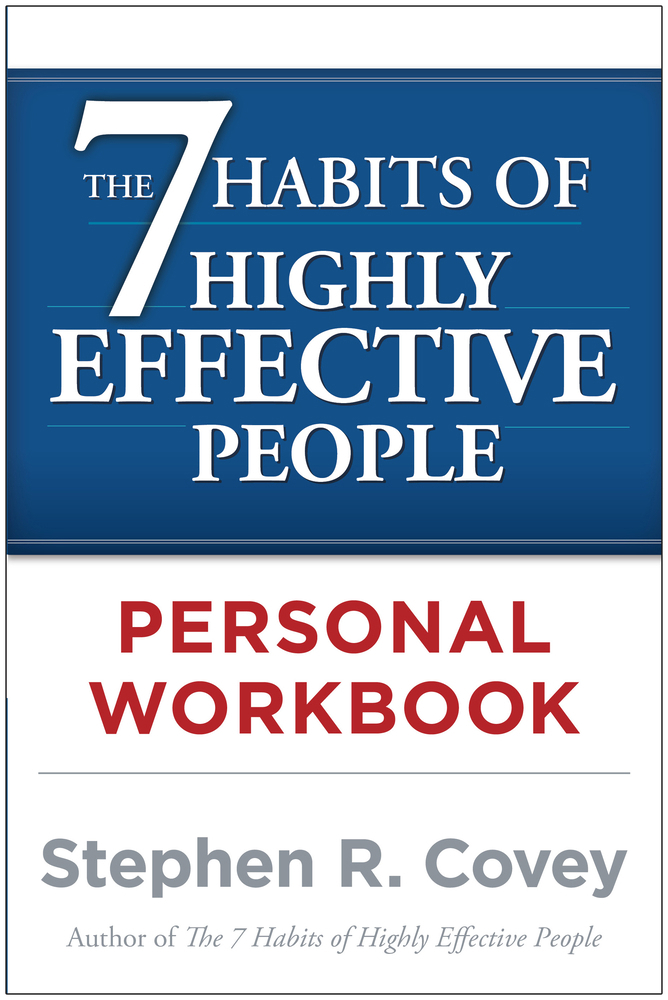
Covey explores ideas like being proactive, clarifying what really matters, organizing life around priorities rather than urgency, and creating win win solutions. He also emphasizes the importance of listening with genuine curiosity before seeking to be understood, and continually renewing one’s physical, emotional, mental, and spiritual energy. Blending practical tools with deeper philosophical insight, this book offers a structured path for people who want to live with greater integrity, clarity, and impact in their work, relationships, and daily life.
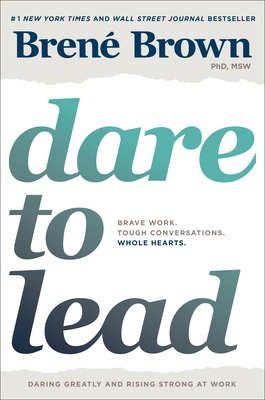
Brown applies her research on vulnerability and courage to the workplace, arguing that the most effective leaders are willing to have hard conversations, own their mistakes, and lead with clear values. The book offers practical tools for building trust, giving feedback, and creating cultures where people feel safe enough to show up fully, not just perform.
Sinek explores why some teams pull together and others fall apart, focusing on the role leaders play in creating psychological safety. Using stories from the military, business, and biology, he shows how leaders who put their people first foster loyalty, resilience, and long-term performance rather than short-term wins.
Pink challenges traditional carrot-and-stick approaches to motivation and shows that people are most engaged when they have autonomy, a sense of mastery, and a clear purpose. The book offers a helpful lens for anyone reconsidering how they work, lead, or structure their career.
Moral leadership is anchored in intellectual and ethical integrity, a vision of and commitment to the public good, and personal investment in transformative community. Drawing on a lifetime of witnessing, emulating, and nurturing such leadership, Robert Michael Franklin proposes a model for moral leadership and ways in which readers in any context can discover and foster those qualities in themselves.
Through stories, practical examples, and clear principles, he argues that long-term success comes from putting people first, telling the truth, and building trust with employees, customers, and communities. This is a book about reshaping business culture so profit becomes the result of doing the right thing, not the goal at any cost.
Lencioni argues that organizational health is a leader’s greatest advantage and that clarity, trust, and aligned communication matter more than strategy alone. He lays out a simple framework for building a cohesive leadership team, creating clarity around purpose and priorities, and reinforcing that clarity through routines, meetings, and messaging.
The Nagoski sisters explain the difference between stress and the stress cycle and why many high-achieving people feel perpetually “on.” They offer practical tools to complete the stress cycle, navigate workplace pressures, and understand how social expectations layer on top of work demands, particularly for women and marginalized folks.
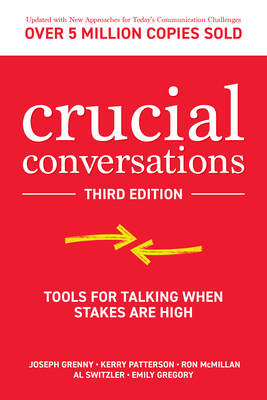
This book focuses on conversations where stakes are high, emotions are strong, and opinions differ. The authors outline a framework for staying grounded, speaking honestly, and listening well when it matters most. It is especially useful for navigating feedback, conflict, and change inside organizations.
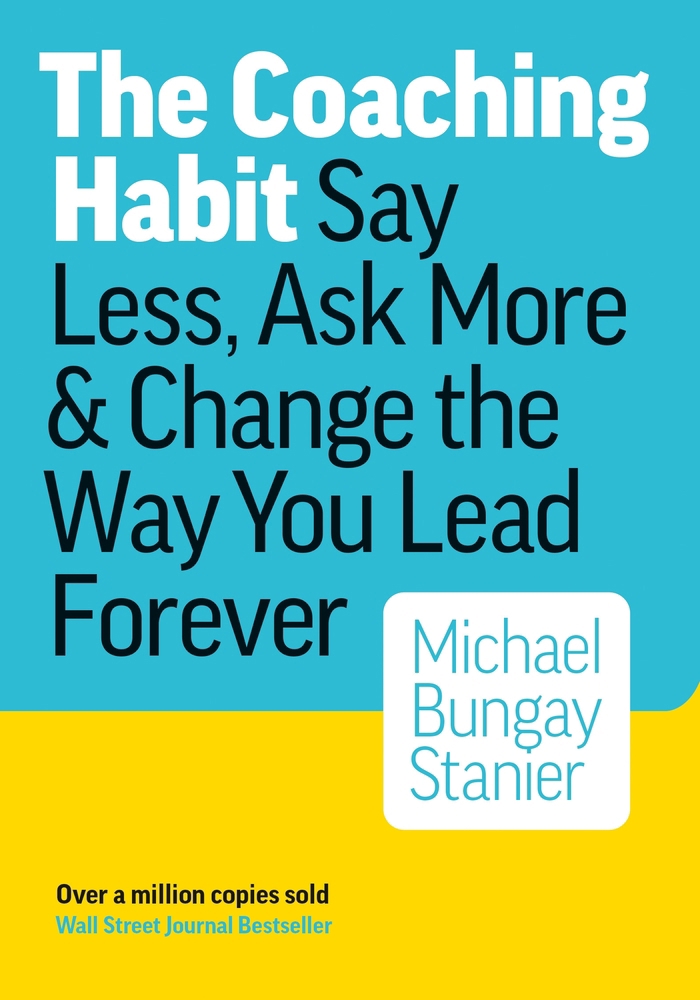
Bungay Stanier offers seven simple, practical questions that help people think for themselves, take ownership, and find their own solutions. Instead of jumping in with advice, he teaches leaders to stay curious a little longer, listen more deeply, and create space for real insight and change. The Coaching Habit is short, punchy, and highly actionable, making it ideal for managers who want to build a more coaching-oriented, empowering style of leadership without adding a lot of complexity or theory.